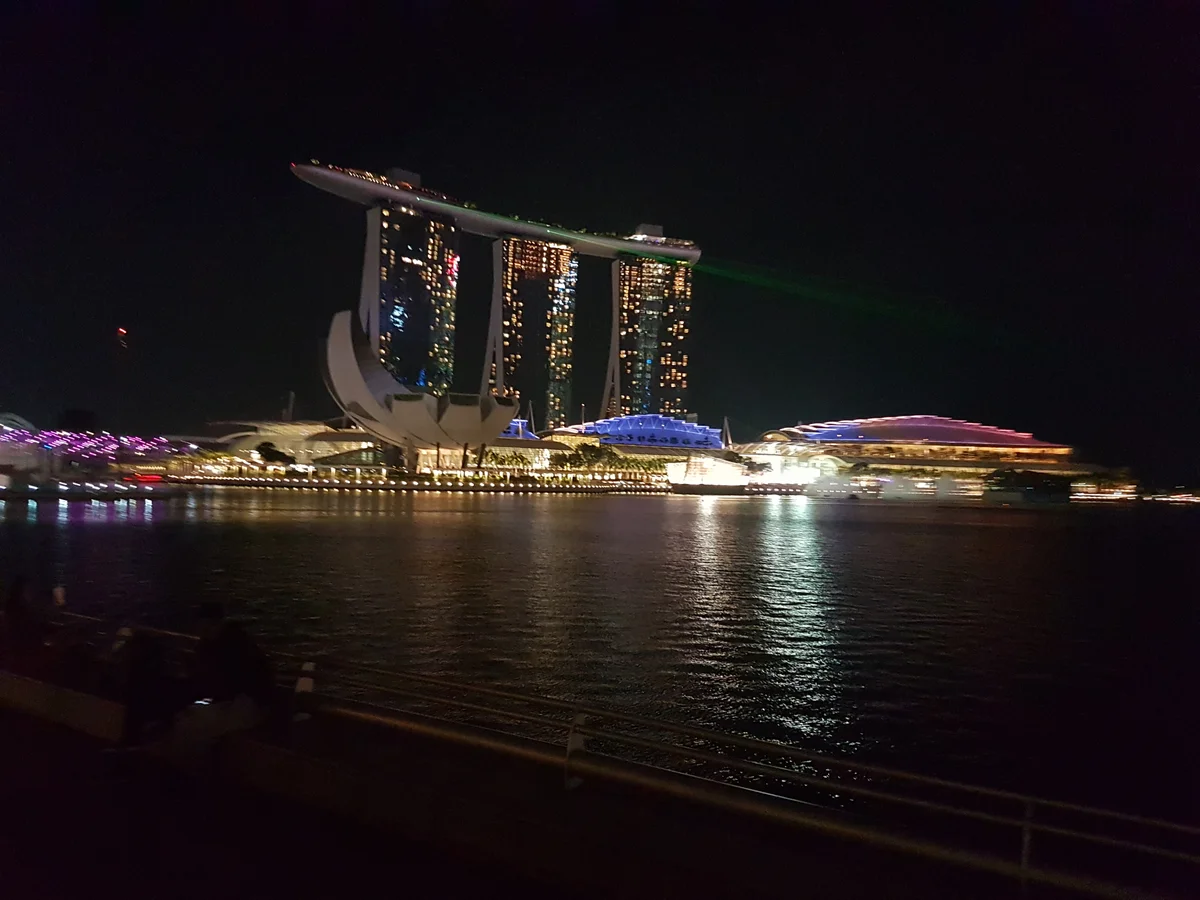
Singapore's Permanent Residency (PR) program has no published investment threshold, no points grid, and no automatic approval criteria. The Immigration and Checkpoints Authority (ICA) exercises broad discretion — which makes Singapore PR both highly coveted and genuinely uncertain to obtain. What follows is the practical picture for applicants in 2026.
The Employment Pass route (PTS scheme)
The most common PR pathway is the Professional, Technical, and Skilled (PTS) scheme for Employment Pass (EP) or S Pass holders. To be competitive in 2026, applicants should have:
- A minimum of 2 years of continuous Singapore EP tenure with the same employer (or credible tenure across 2 employers)
- Salary of SGD 10,000+/month at time of application (minimum) — in practice, most approvals are at SGD 12,000–15,000+ for mid-career candidates
- Degree from a recognised university, ideally top-200 globally ranked
- Employment in a sector prioritised in Singapore's economic development plans: financial services, technology, life sciences, advanced manufacturing, professional services
- No adverse immigration history, no tax or CPF arrears
ICA does not disclose approval rates, but industry estimates suggest 40–55% of EP holders who apply are approved, down from 65–75% a decade ago. Approval rates improve substantially with each additional year of tenure and higher salary levels.
Programme dossier
Singapore — investment routes, passport strength & full analysis
Global Investor Programme (GIP)
For investors and entrepreneurs who prefer not to rely on employment, the Global Investor Programme offers an investment-based PR route:
- Option A: SGD 10,000,000 (~USD 7.4M) in a new or existing business in Singapore
- Option B: SGD 25,000,000 (~USD 18.5M) into a GIP-approved single-family office in Singapore
GIP requires active management participation — passive investment vehicles do not qualify. The program is run by the Economic Development Board (EDB) and carries a PR approval rate close to 100% for fully qualifying applicants.
Tax residency implications
Singapore operates a territorial tax system with no capital gains tax, no inheritance tax, and a flat 17% corporate tax (with startup exemptions). Personal income tax for tax residents runs 0–24% progressively, with an effective rate for a SGD 200,000 salary of approximately 11.5%. Singapore has 100+ double tax treaties. The combination of PR status, territorial tax, and zero CGT makes Singapore the most tax-efficient residency option available in an OECD-comparable jurisdiction.
Citizenship timeline
PR holders may apply for Singapore citizenship after 2–6 years of PR, with the ICA exercising full discretion. Military National Service (NS) obligation applies to male PR holders and their sons born after obtaining PR status — a significant commitment that must factor into family planning for PR applications.
Full programme dossier
Singapore— investment requirements, passport strength & suitability analysis
● Programme change-alerts
Get alerted if Singapore changes
We'll email you the moment Singapore's terms shift — plus the monthly intelligence brief. Free.
Free account, unsubscribe anytime. We never sell data — and never sell ratings.
Ready to explore your options?
Our verified advisors cover every programme in our intelligence database.